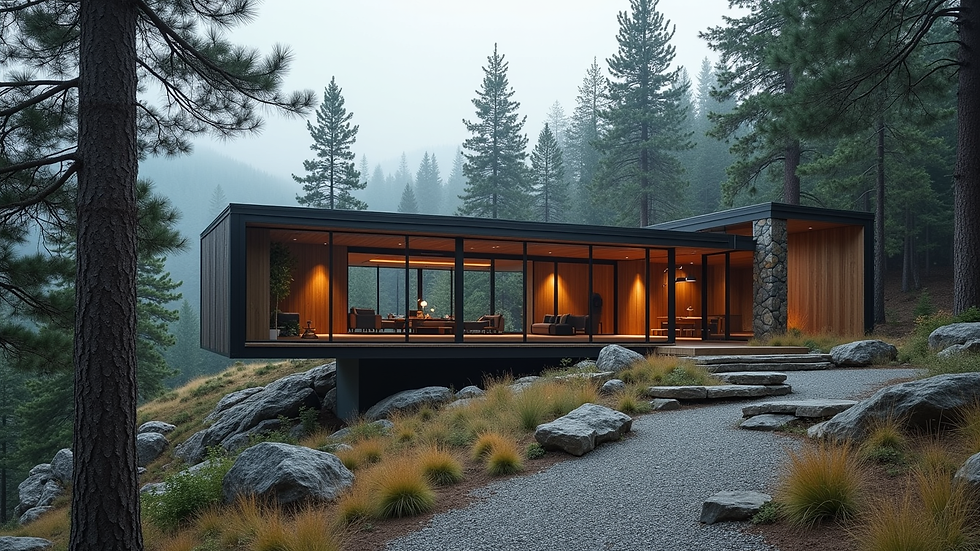
Discover Sustainable Mountain Architecture Services
Building in mountainous regions presents unique challenges and opportunities. The rugged terrain, fragile ecosystems, and extreme weather conditions require thoughtful design and construction approaches. I have found that sustainable mountain architecture services offer innovative solutions that respect the environment while creating functional, beautiful spaces. These services are essential for anyone looking to develop homes, businesses, or institutions in mountain areas across India.
Understanding Sustainable Mountain Architecture Services
Sustainable mountain architecture services focus on designing buildings that harmonize with the natural landscape and minimize environmental impact. This approach goes beyond aesthetics; it integrates energy efficiency, resource conservation, and local cultural elements into every project.
For example, architects might use locally sourced materials like stone and timber to reduce transportation emissions and support local economies. They also design buildings to maximize natural light and ventilation, reducing the need for artificial heating and cooling. In mountainous regions, this can mean orienting structures to capture sunlight during winter while providing shade in summer.
Incorporating rainwater harvesting systems and solar panels are common sustainable features. These not only reduce reliance on external utilities but also ensure that buildings remain functional even in remote locations. Sustainable mountain architecture services also emphasize preserving the natural terrain and vegetation, which helps prevent soil erosion and maintains biodiversity.

Why Sustainable Mountain Architecture Services Matter
The importance of sustainable design in mountain regions cannot be overstated. Mountains are often biodiversity hotspots and sources of freshwater for millions of people. Unsustainable construction can lead to deforestation, landslides, and water pollution, threatening both the environment and local communities.
Statistics show that construction accounts for nearly 40% of global energy-related carbon emissions. By adopting sustainable practices, mountain architecture can significantly reduce this footprint. For instance, using energy-efficient insulation and renewable energy sources can cut a building’s energy consumption by up to 50%.
Moreover, sustainable mountain architecture services improve the resilience of buildings against harsh weather conditions. Proper insulation, durable materials, and smart design reduce maintenance costs and extend the lifespan of structures. This is especially important in mountainous areas where access for repairs can be difficult and expensive.
One practical example is the use of green roofs, which provide insulation and reduce stormwater runoff. These roofs also create habitats for local wildlife, enhancing the ecological value of the property.
Key Elements of Sustainable Mountain Architecture
When considering sustainable mountain architecture, several key elements come into play:
Site Analysis and Planning
Understanding the topography, soil stability, and microclimate is crucial. Architects conduct detailed site assessments to position buildings in ways that minimize environmental disruption and maximize natural advantages.
Material Selection
Choosing materials that are durable, locally available, and have low embodied energy is essential. Stone, reclaimed wood, and natural insulation materials are popular choices.
Energy Efficiency
Incorporating passive solar design, high-performance windows, and energy-efficient appliances reduces energy demand. Solar panels and small-scale wind turbines can supplement power needs.
Water Management
Systems for rainwater harvesting, greywater recycling, and efficient plumbing help conserve water resources, which are often limited in mountain areas.
Waste Reduction
Sustainable construction practices include minimizing waste during building and using recyclable or biodegradable materials.
Cultural Sensitivity
Designs that reflect local traditions and aesthetics foster community acceptance and preserve cultural heritage.
By focusing on these elements, sustainable mountain architecture services create buildings that are not only environmentally responsible but also comfortable and inspiring.
How Sustainable Mountain Architecture Services Benefit You
Whether you are planning a private residence, a commercial space, or an institutional building, sustainable mountain architecture services offer tangible benefits:
Cost Savings Over Time
Although initial investments might be higher, energy-efficient designs and durable materials reduce utility bills and maintenance costs.
Enhanced Comfort and Health
Natural ventilation, daylighting, and non-toxic materials improve indoor air quality and occupant well-being.
Increased Property Value
Sustainable buildings are increasingly sought after, making them a smart investment.
Positive Environmental Impact
Your project contributes to preserving mountain ecosystems and combating climate change.
Compliance with Regulations
Many regions now require or incentivize sustainable building practices, making compliance easier with expert guidance.
I have seen clients appreciate how these services transform their visions into reality while respecting nature. For example, a school built with sustainable principles in a Himalayan village not only reduced energy costs by 40% but also became a community hub for environmental education.
If you want to explore these possibilities, consider reaching out to mountain range architects services who specialize in this field. Their expertise can guide you through every step, from concept to completion.

Steps to Engage Sustainable Mountain Architecture Services
Engaging with sustainable mountain architecture services involves a clear process to ensure your project meets your goals and environmental standards:
Initial Consultation
Discuss your vision, budget, and site specifics with the architects. This helps establish project scope and priorities.
Site Survey and Feasibility Study
Experts analyze the terrain, climate, and local regulations to identify opportunities and constraints.
Conceptual Design
Architects create preliminary designs that incorporate sustainable features and align with your preferences.
Detailed Planning and Approvals
Finalize designs, select materials, and obtain necessary permits. This phase includes energy modeling and environmental impact assessments.
Construction and Supervision
The architects oversee construction to ensure adherence to sustainable practices and quality standards.
Post-Construction Support
After completion, they provide guidance on building maintenance and performance monitoring.
By following these steps, you can be confident that your mountain project will be both beautiful and sustainable.
Embracing the Future of Mountain Living
Sustainable mountain architecture services represent a forward-thinking approach to building in some of the most challenging yet inspiring environments. They allow us to live in harmony with nature, preserving the mountains for future generations while enjoying modern comforts.
As more people recognize the value of sustainability, demand for these services is growing across India. This trend encourages innovation and raises standards in architectural design. By choosing sustainable mountain architecture, you join a movement that balances progress with responsibility.
I encourage you to explore how these services can bring your mountain project to life. Whether you are building a cozy retreat, a vibrant business, or a community institution, sustainable design offers a path to success that respects both people and planet.
Let’s build a future where mountain homes and structures stand as testaments to thoughtful design and environmental stewardship. Together, we can create spaces that inspire, endure, and protect the natural beauty of our mountains.